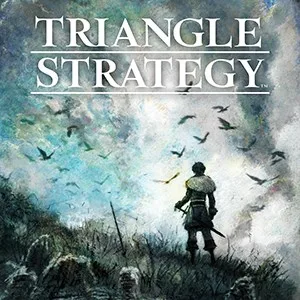
- PlatformsWindows, XBOX
- Age12+
- CategoryRole Playing
- Price23.99USD
TRIANGLE STRATEGY is a paid tactical role-playing game by Square Enix, set in Norzelia, a land unsettled by conflict between three nations. Your decisions shape a branching story with multiple endings, while turn-based battles put terrain, positioning and teamwork at the centre of play.
Choices shape the story
Important decisions are influenced by your convictions in Utility, Morality and Liberty. These values affect how the story branches and which companions join your party, so choices can influence both the narrative and the team available to you.
For major decisions, allies vote using the Scales of Conviction. You can try to persuade them, but each has their own values and opinions. The outcome determines whether the group supports the goal you proposed.
Plan each turn on the battlefield
Battles are turn-based and reward attention to the layout of the field. Use terrain and elevation, coordinate attacks between units, or surround an enemy from opposite sides to trigger follow-up attacks. You can build a party from 30 characters, each with different skills, and adapt your approach to the battle.
HD-2D presentation
The game combines pixel-art visuals with 3D computer-generated effects to create its HD-2D world. This style supports the story’s detailed settings while retaining a retro-inspired look.
Platforms and installation
TRIANGLE STRATEGY is available for Windows and Xbox through the Microsoft Store. The game is paid, and its listed age rating is 12.
- Select Download on this page to open the game’s Microsoft Store page.
- Check that the page names TRIANGLE STRATEGY and Square Enix as the developer.
- Select the store’s install option to proceed.
This game may suit players who enjoy tactical turn-based combat and narrative choices that affect both the story and party. Its battles call for considered positioning, while the voting system makes persuading allies part of reaching key decisions.