
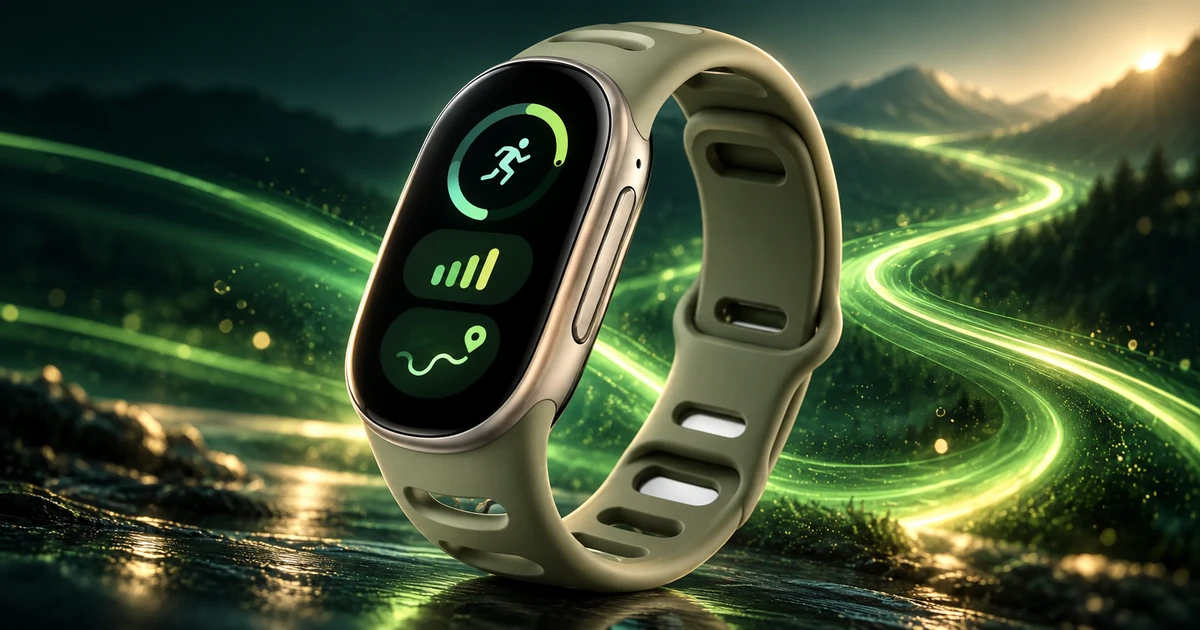
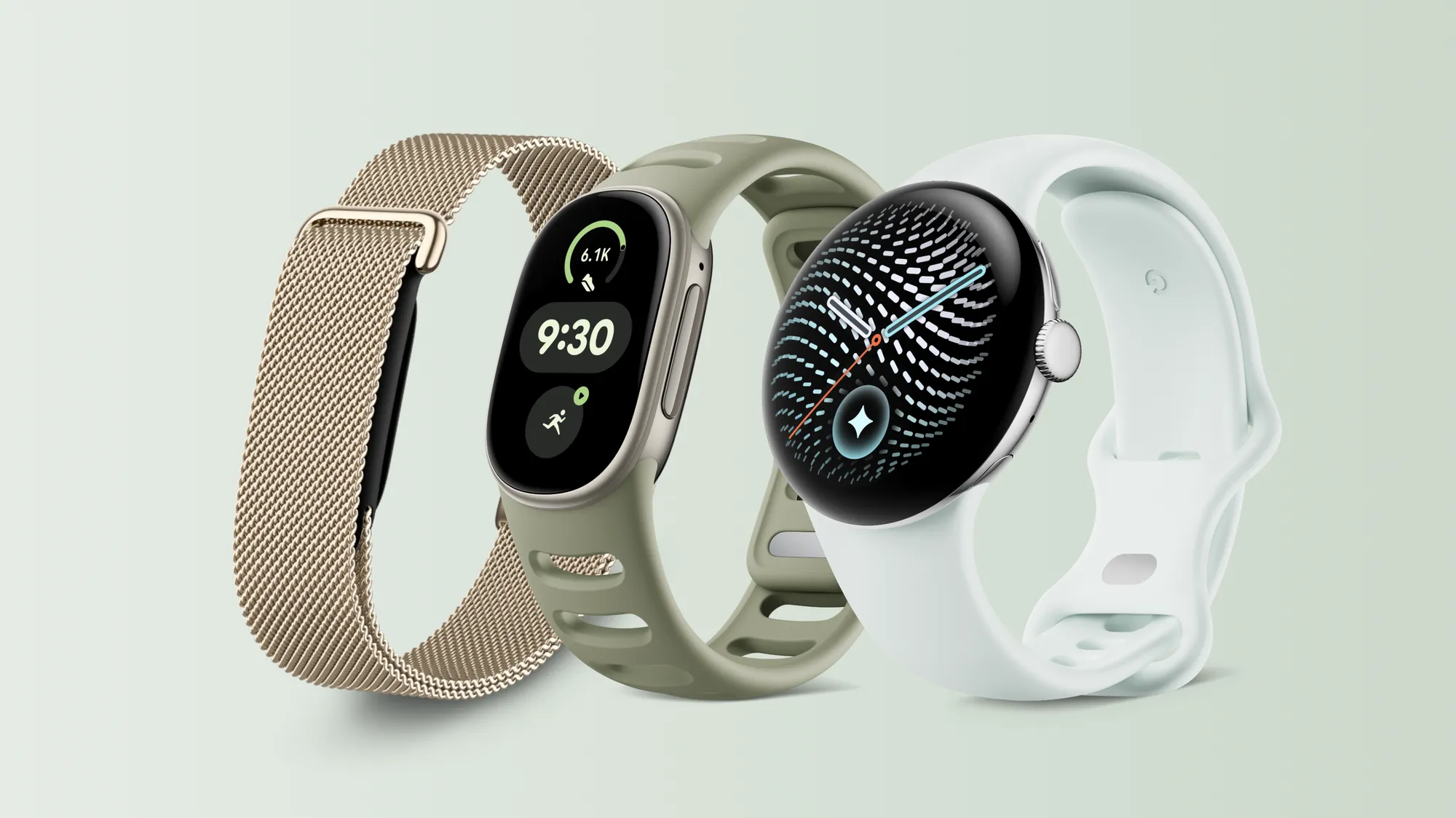
Google announced the Fitbit Edge on October 12 and opened preorders at $179.99 in the US. The fitness tracker reaches stores on October 27. Its most consequential change may be one buyers notice years later: Google calls Edge its first repairable fitness tracker, built with a battery that can be replaced when it wears out.
What the battery claim means in practice
A replaceable battery could keep the tracker useful after its original battery loses capacity. It does not mean swapping the battery is as straightforward as changing a band. Google’s support guidance recommends self repair only for adults with the technical expertise to work safely on electronics. It lists specialized screwdrivers, handling tools and protective equipment, and says repair options may vary by region.
Google advertises up to seven days of battery life per charge. That figure also has a practical limit: its support page puts battery life at up to two days with the always-on display enabled. Replaceability addresses the device’s lifespan; it does not remove the trade-off between screen settings and charging frequency.
Where Edge fits in Google’s lineup
Google places Edge between the screenless Fitbit Air and the more capable Pixel Watch. Its screen and built-in GPS let users follow workout data and record outdoor routes without carrying a phone during the activity. Setting up and using the tracker still requires a Google account, the Google Health app and a compatible phone.
The purchase price is not the whole story for its health software. Google includes three months of Google Health Premium with Edge, but its personalized Health Coach requires a subscription. The company also says Health Guardian features will reach Edge Premium subscribers later in October. Availability varies by region, and those wellness trends are not medical diagnoses.
Sales begin October 27. A longer term test of Google’s repairability claim will be how accessible battery replacement proves to be across the countries where Edge is sold.